
People have worked with computing systems on hard problems for decades. In the beginning, machines handled repetitive calculations while people set the goals and checked the results. Over time the division of labor shifted as software grew more capable at spotting patterns in large sets of data.
Early forms of human-computer work
The first practical collaborations often appeared in scientific labs and engineering offices. A researcher might feed raw measurements into a program that returned averages and trends, then the same person would decide whether those numbers pointed to a real effect or just noise. Similar patterns showed up in business when clerks used early spreadsheets to test different pricing models and adjusted the inputs after seeing the outputs.
As machines became faster, the same basic loop remained: the computer proposed an answer, a person reviewed it, and the cycle repeated until the result met practical standards. This approach kept people in charge of judgment calls that rules alone could not settle.
Current ways the two sides combine
Today the most common pattern is called human-in-the-loop processing. The system first scans incoming information and flags items that look unusual or uncertain. A person then looks at those flagged items and supplies a decision. The choice is fed back into the model so it improves on the next round.
Another approach uses active queries. The program selects a small number of examples that would help it learn fastest and asks a person to label them. This reduces the total amount of human time required while still guiding the model toward better performance on the actual task.
A third method keeps separate roles. One part of the system generates many possible solutions, another part ranks them according to past human preferences, and a final reviewer picks or modifies the top option. The ranking step often runs on simple comparison rules that people have already agreed upon.
Practical uses across different fields
In medical imaging a program can mark regions that differ from normal tissue. A radiologist then examines those marks and decides whether they represent a real finding or an artifact. The doctor keeps final responsibility, yet the program reduces the area that must be studied closely.
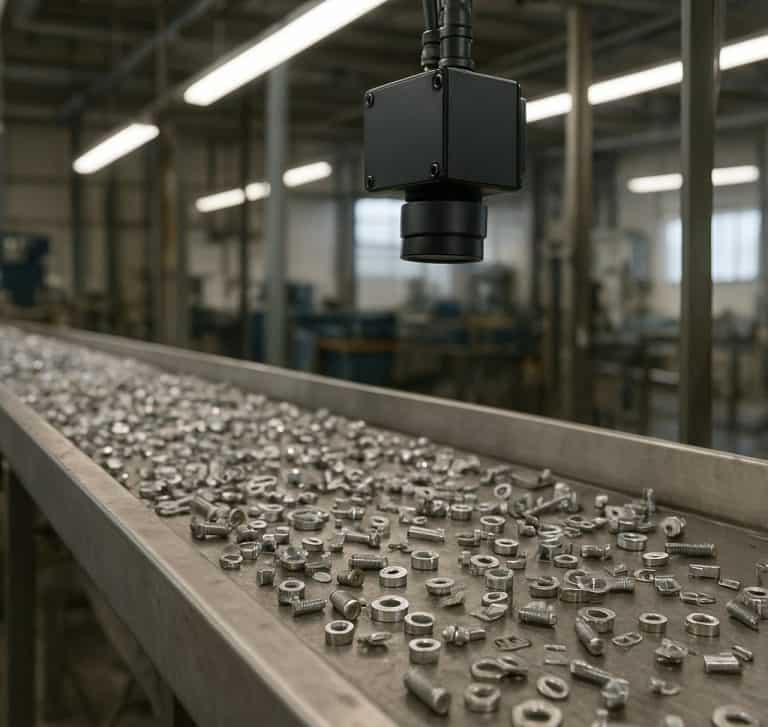
Manufacturing lines use similar setups for quality checks. Cameras capture images of parts moving on a belt. Software highlights possible defects such as cracks or misalignments. An inspector looks at the highlighted images and confirms or rejects the part. Over weeks the system learns which lighting conditions or angles produce false alarms and stops raising them.
Content platforms apply the same idea at larger scale. Automated filters remove obvious spam or illegal material. Remaining borderline posts go to reviewers who apply company guidelines. Their decisions train the filter to handle more cases without human help.
Current limits and possible next steps
One ongoing difficulty is that models still make errors on edge cases that people would handle without much thought. When the data contains rare events or new patterns, the program may either miss them or flag too many routine items. This increases the workload on human reviewers instead of reducing it.
Another limit appears when the rules themselves change. A policy update in one department can make earlier training data less useful, requiring fresh human labels and slowing progress until enough new examples exist.
Future work is likely to focus on clearer hand-offs between the two sides. Systems may get better at stating how certain they are about each suggestion, so people can spend time only where the uncertainty is high. At the same time, interfaces that let reviewers correct the model with a few clicks rather than full labels could lower the effort needed for each round of improvement.
These adjustments will probably appear first in settings where mistakes carry clear costs, such as safety inspections or regulatory filings. In those areas the value of keeping a person involved remains easy to see even as the software handles more of the routine volume.